
 English


Cat Tree Tower Guide: Features, Safety & Selection Tips
Content
Essential Features of a Quality Cat Tree Tower
A well-designed cat tree tower serves as more than just furniture; it is a critical enrichment tool that satisfies a cat's natural instincts to climb, scratch, and perch. The ideal tower combines structural stability with engaging features like multiple levels, scratching posts, and cozy hideaways.
Investing in a high-quality tower prevents behavioral issues such as furniture scratching and reduces stress by providing vertical territory. The best models offer a balance of durability, safety, and aesthetic appeal, ensuring they remain a cherished part of your home for years.
Stability and Safety Standards
Base Width and Weight Distribution
The most common complaint with cat trees is tipping. To prevent accidents, the base must be sufficiently wide relative to the height. A general rule is that the base width should be at least 40-50% of the total height for towers over 1.5 meters.
Material Durability
High-quality towers use specific materials to ensure longevity and safety:
- Sisal rope: Wrapped tightly around posts for effective scratching without fraying quickly
- Plush fabric: Soft, non-toxic materials for comfort on perches and in condos
- Engineered wood or solid pine: Provides rigid support compared to particleboard, which may sag over time
| Feature | Ideal Specification | Why It Matters |
|---|---|---|
| Base Stability | Wide, heavy base | Prevents tipping during vigorous play |
| Sisal Wrapping | Tight, natural fiber | Durability and safe claw traction |
| Platform Edges | Rounded or covered | Prevents injury from sharp corners |
| Weight Capacity | Per platform: 10-15kg | Supports multi-cat households safely |
Choosing the Right Size and Configuration
Height Considerations
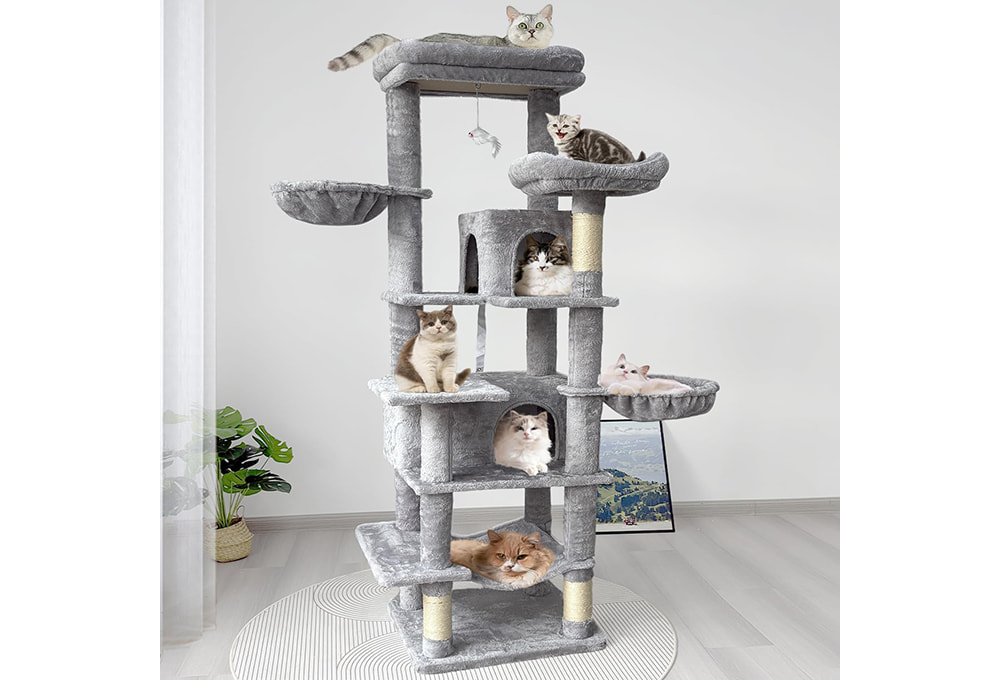
Cats feel secure when they can observe their environment from above. For single-cat households, a tower between 1.2 to 1.5 meters is often sufficient. Multi-cat homes benefit from taller structures (1.8 meters+) with multiple perches to reduce territorial disputes.
Space Requirements
Measure your available floor space before purchasing. Compact apartments may require a "wall-hugger" design or a narrower footprint, while spacious living rooms can accommodate larger, multi-level complexes. Ensure there is at least 30cm of clearance around the tower for easy access and cleaning.
Engagement Features for Active Cats
To keep your cat interested, look for towers that offer varied activities:
- Dangling toys: Encourage jumping and batting, promoting physical exercise
- Enclosed condos: Provide a sense of security and a quiet retreat for napping
- Hammocks: Offer a lightweight, swinging perch that many cats find irresistible
- Multiple scratching angles: Include both vertical posts and horizontal sisal mats to satisfy different scratching preferences
Rotating toys or adding catnip to specific platforms can rejuvenate interest in an older tower, extending its useful life and keeping your pet engaged.
Maintenance and Longevity
Regular maintenance ensures your cat tree tower remains hygienic and safe. Vacuum plush surfaces weekly to remove hair and dander. Inspect sisal posts monthly for loose strands, trimming them carefully to prevent ingestion. If the covering becomes heavily soiled, consider replacing individual components rather than the entire unit, as many manufacturers offer spare parts.
By selecting a durable, well-designed tower and maintaining it properly, you provide a lasting source of comfort and stimulation for your feline companion, protecting your other furniture and enhancing your cat's quality of life.
Related products
-
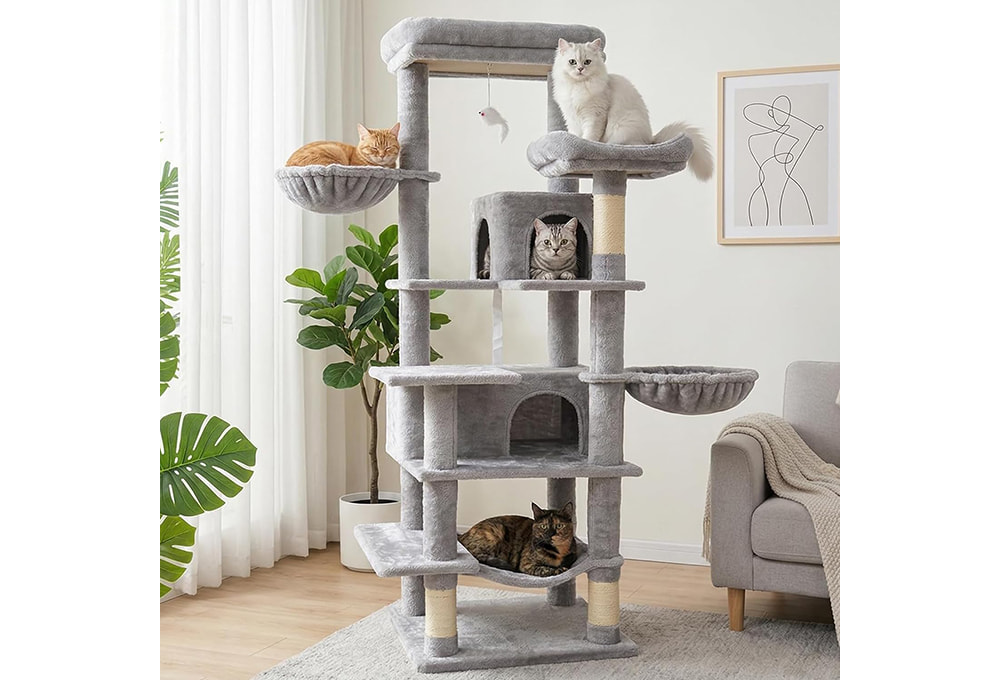 LS-CP001 Large 6 Levels Indoor Cat Tree Tower
-
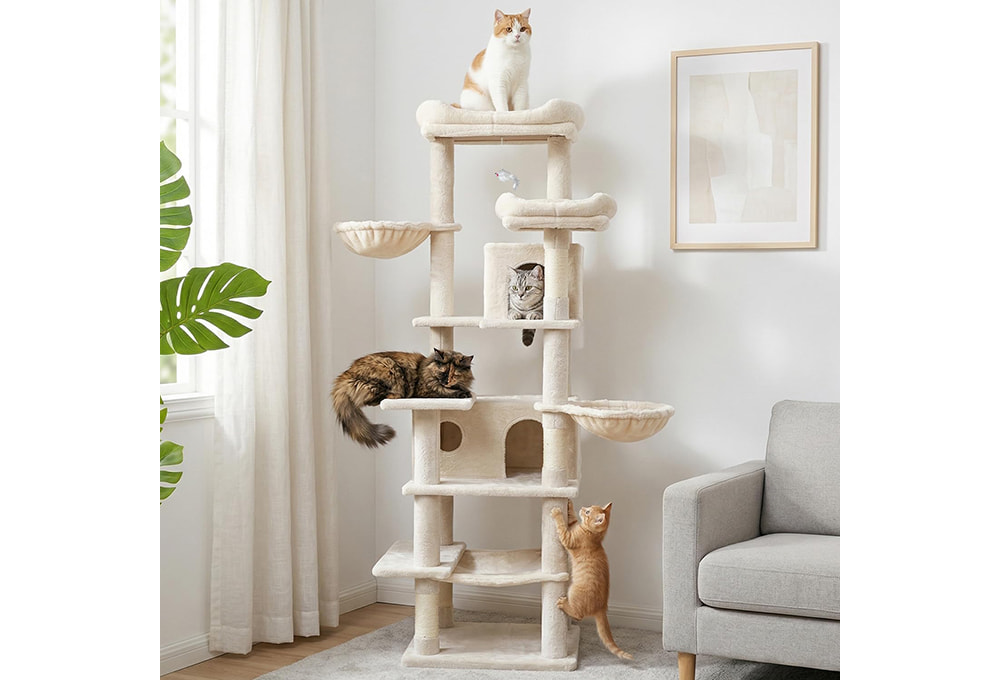 LS-CP002 Large Beige Anti-Tip Design Cat Tree Tower
-
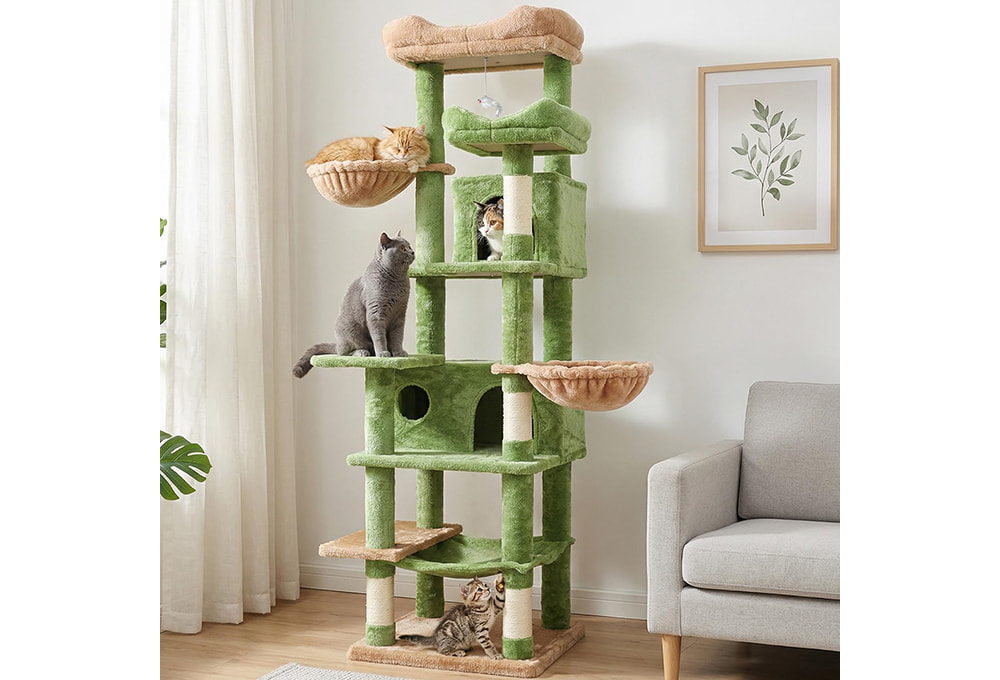 LS-CP003 Green Heavy Duty Multi-Level Cat Tree Tower
-
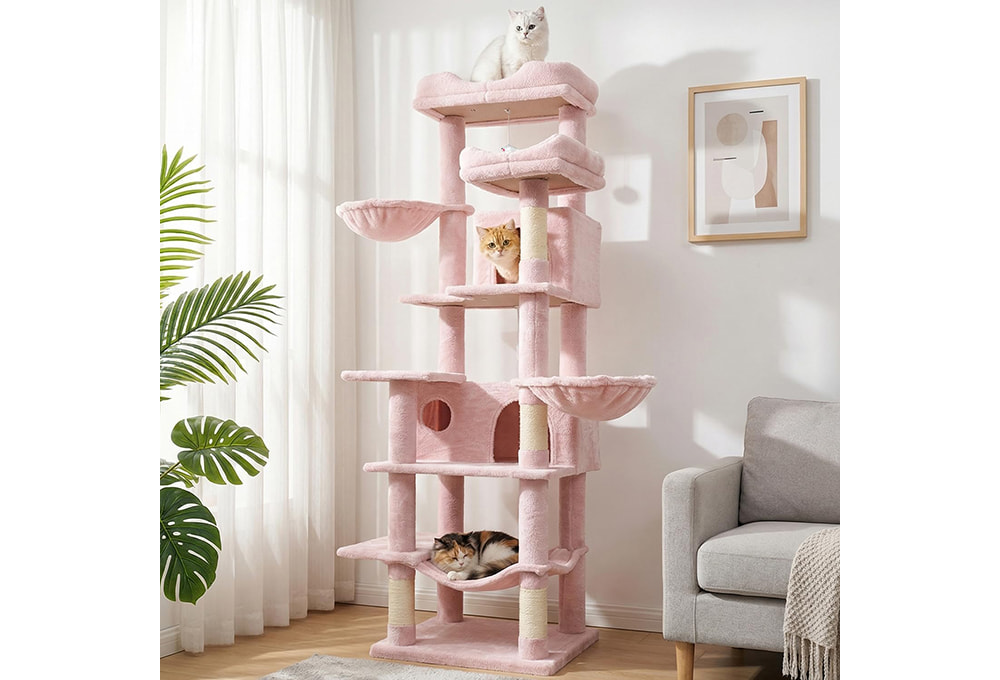 LS-CP004 68-Inch Pink Hammock Cat Tree Tower
-
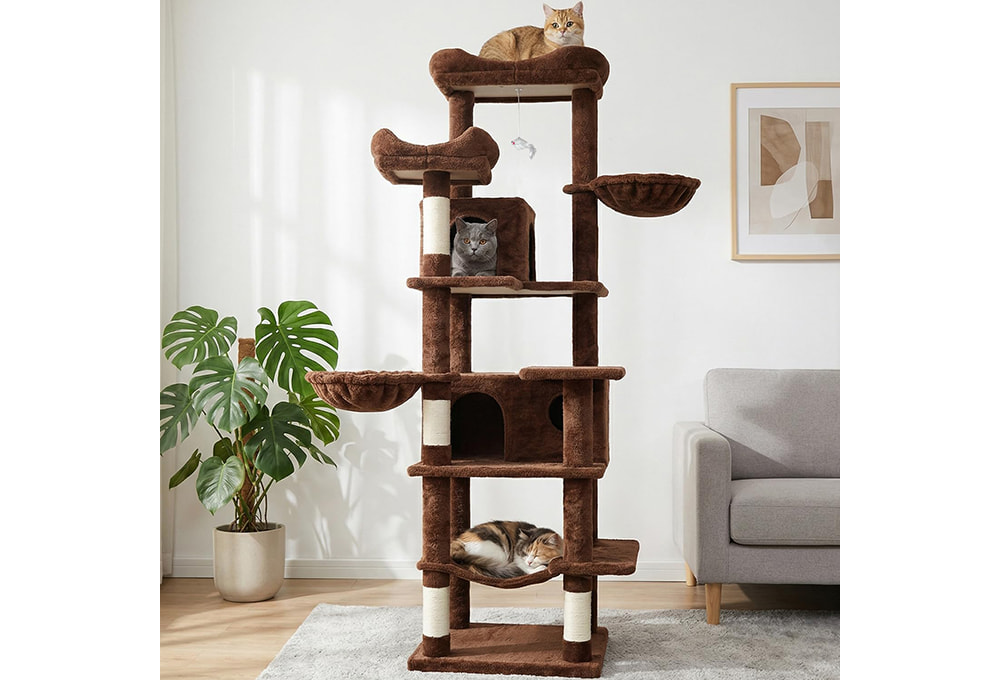 LS-CP005 Brown Two-Condo Tall Cat Tree Tower
-
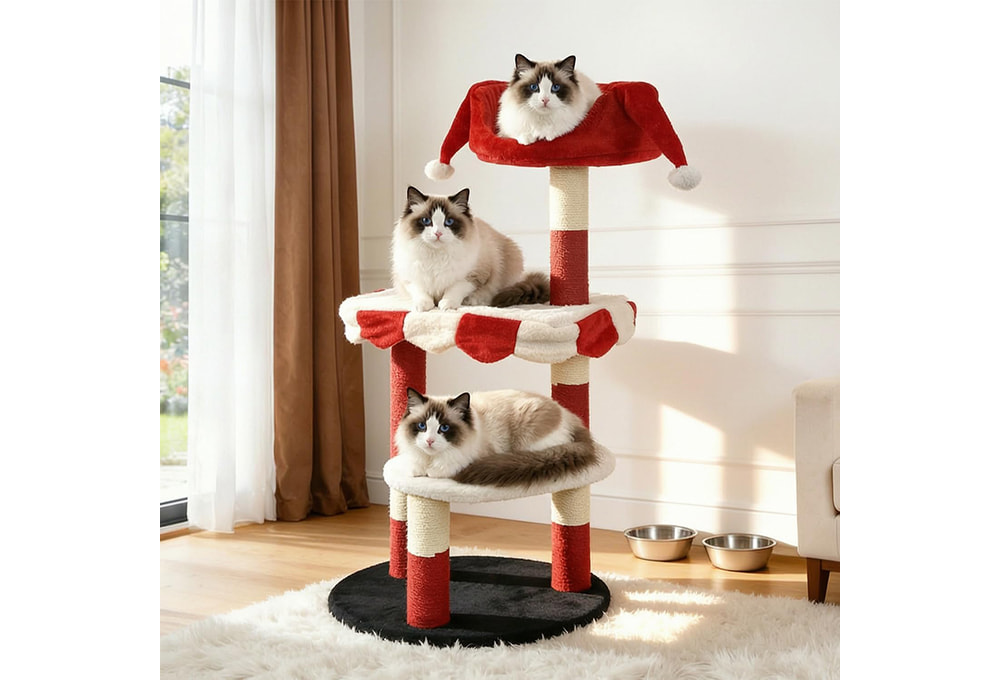 LS-CP006 Circus Clown Compact Comfortable Cat Tree Tower
-
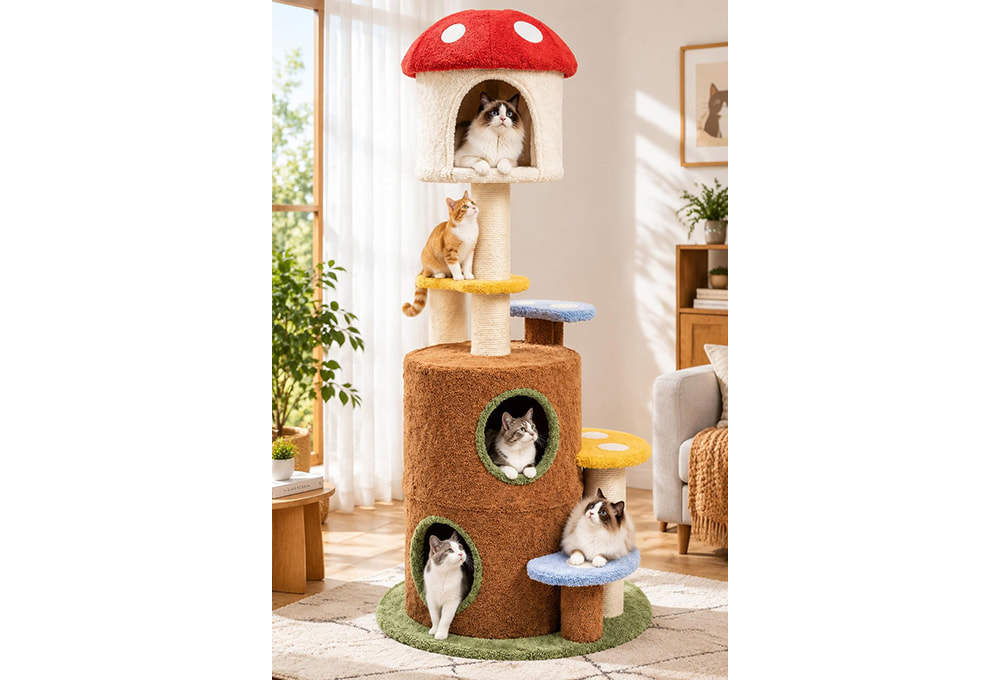 LS-CP007 Mushroom Medium-sized Indoor Cat Tree Tower
-
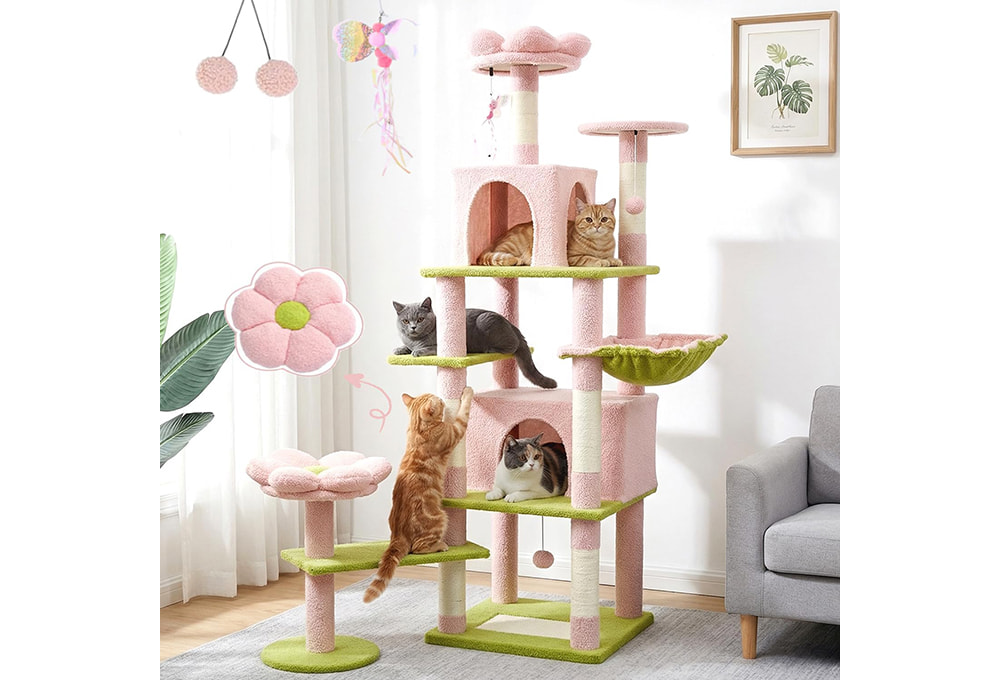 LS-CP008 71-Inch Flower Teddy Plush Cat Tree Tower

- ABOUT US
- Company profile
- Factory tour
- PRODUCT
- Pet Furniture
- Sofa
- Chair
- Bed
- ODM Custom Service
- CONSULTATION
- Exhibition updates
- Industry news
- Company news

- CONTACT US
- Phone: +86-15068201990
- Email: robin@livingstylefurniture.com
- ADDRESS
- 2nd Floor, No.1 Zhenzhong Road, Xieqiao Town, Haining City, Jiaxing City, Zhejiang Province, P.R.China
- SCAN THE CODE TO VIEW
-
